
The Invisible Layer of Home Comfort
When we think about home improvement, our minds usually go straight to the visual: a fresh coat of paint, a modern kitchen island, or perhaps a sleek new smart lighting system. However, there is an invisible element that dictates how we feel the moment we walk through our front door—the acoustic environment. Soundproofing isn’t just for professional recording studios or luxury cinemas anymore; it has become a fundamental pillar of modern well-being.
Noise pollution, whether it’s the hum of traffic, the rumble of a neighbor’s lawnmower, or the echo of a television in the next room, acts as a constant background stressor. By addressing the way sound travels through our living spaces, we aren’t just making a house quieter; we are fundamentally changing our psychological relationship with our home.
The Psychology of Silence: Why We Need Peace
Our brains are wired to scan our environment for sounds, a survival instinct that dates back thousands of years. In a modern setting, this means that even if you aren’t consciously ‘listening’ to the garbage truck outside, your nervous system is still processing it. This constant processing can lead to elevated cortisol levels and a feeling of being ‘on edge.’
When you soundproof a room, you create a ‘sensory sanctuary.’ This reduction in auditory clutter allows the parasympathetic nervous system to take over, promoting relaxation and recovery. Homeowners who invest in sound dampening often report a lower sense of urgency and a higher capacity for patience. In short, a quieter home makes for a calmer person.
Practical DIY Soundproofing Hacks for Every Room
You don’t need to tear down your walls to see a significant improvement in your home’s acoustics. Practical soundproofing is about identifying the ‘weak points’ where sound leaks in and using the right materials to dampen vibrations. Here are some actionable steps you can take this weekend:
- Seal the Air Gaps: Sound travels through air. If air can get through, sound can too. Install high-quality weatherstripping around window frames and use heavy-duty door sweeps on the bottom of interior doors to block noise from hallway traffic.
- Upgrade Your Window Treatments: Standard blinds do little for noise. Switching to thick, multi-layered ‘blackout’ or acoustic curtains can reduce external noise by up to 10-15 decibels while also improving your home’s insulation.
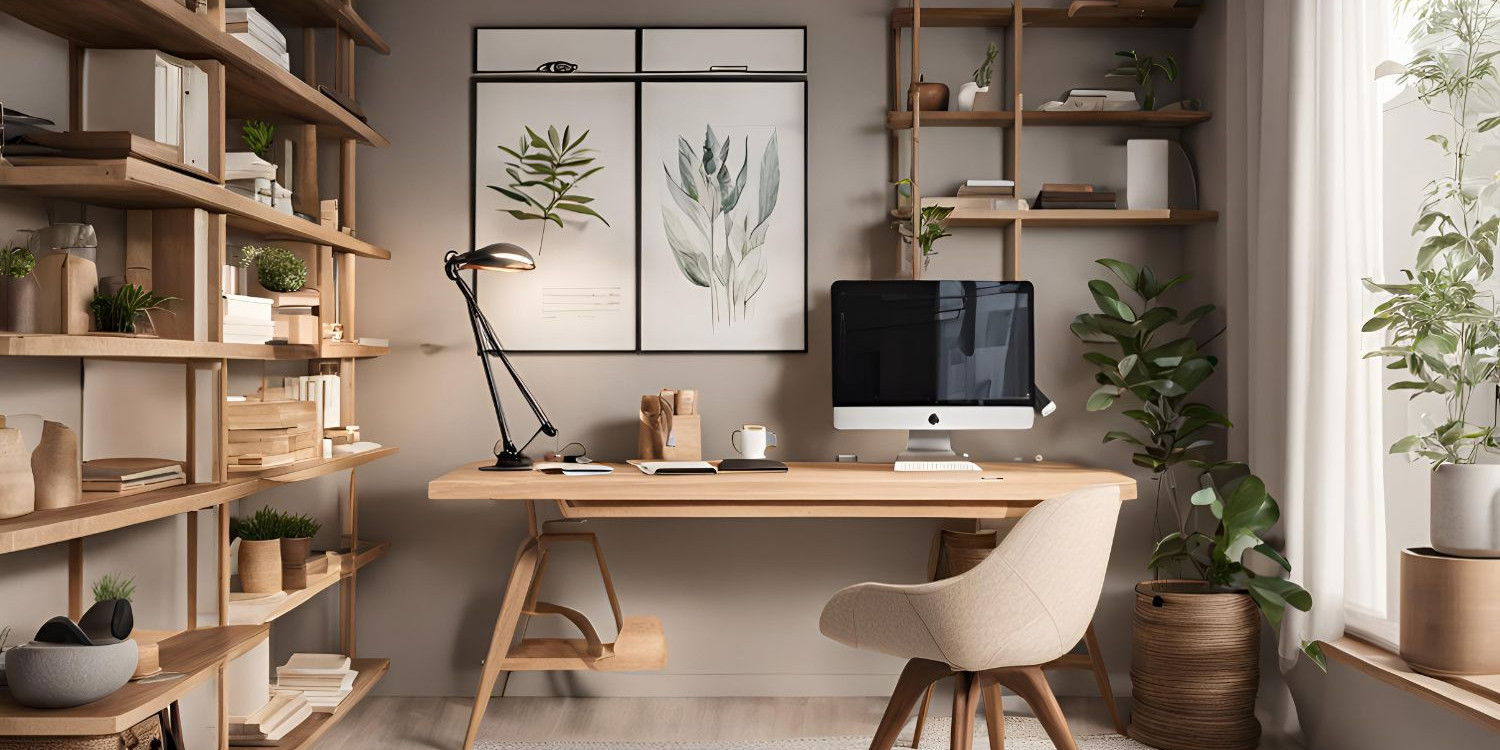
- The Bookshelf Buffer: One of the oldest and most effective DIY tricks is using mass to block sound. Placing a floor-to-ceiling bookshelf against a shared wall acts as a functional sound barrier. The varying depths and materials of the books help to diffuse sound waves.
- Acoustic Panels as Decor: Modern acoustic panels come in beautiful fabrics and hexagonal shapes. Placing these in home offices or media rooms prevents sound from bouncing off hard surfaces, which reduces that ‘echoey’ feeling that makes a room feel cold.
Enhancing Focus in the Smart Home Office
With more of us working from home, the need for acoustic privacy has skyrocketed. A quiet workspace isn’t just about avoiding distractions during a Zoom call; it’s about ‘deep work.’ When you eliminate the sound of the dishwasher running or the kids playing in the other room, your brain can enter a flow state much faster. For the tech-savvy homeowner, combining physical soundproofing with a high-quality white noise machine or a smart speaker playing ambient sounds can create a focused ‘cone of silence’ that boosts productivity significantly.
Improving Sleep Quality Through Acoustic Control
The bedroom is perhaps the most important place to implement soundproofing. Even sounds that don’t fully wake us up can shift us from deep sleep to light sleep, leaving us feeling groggy in the morning. By using a combination of heavy rugs to dampen floor vibrations and acoustic seals on the bedroom door, you create a cocoon that protects your sleep cycles. This leads to better cognitive function, improved mood, and long-term health benefits.
High-Tech vs. Low-Tech: Finding Your Balance
As ‘Allen the Geek,’ I always look for the intersection of practical DIY and smart technology. While heavy blankets and rugs are great low-tech solutions, don’t overlook the power of smart home integration. Many modern smart thermostats and appliances now feature ‘Quiet Modes’ that can be scheduled to run during your peak relaxation hours. Additionally, smart glass or secondary glazing systems can be installed over existing windows to provide a high-tech barrier against city noise without the need for a full renovation.
The Emotional ROI of a Quieter Home
At the end of the day, soundproofing is an investment in your mental health. It changes the ‘vibe’ of a home from a place where you are merely surviving the day’s chaos to a place where you are actively recharging. When you control the acoustics of your space, you reclaim control over your environment. You’ll find yourself lingering longer in the living room, sleeping more soundly, and feeling a deeper sense of ownership over your peace of mind. Quiet isn’t just the absence of noise—it’s the presence of comfort.
Related Posts
Why I believe cabinet refacing is actually better than buying new cabinets
Discover why cabinet refacing is the…
The Steady Rise of High Performance Smart Home Offices
Explore the rise of high-performance…