

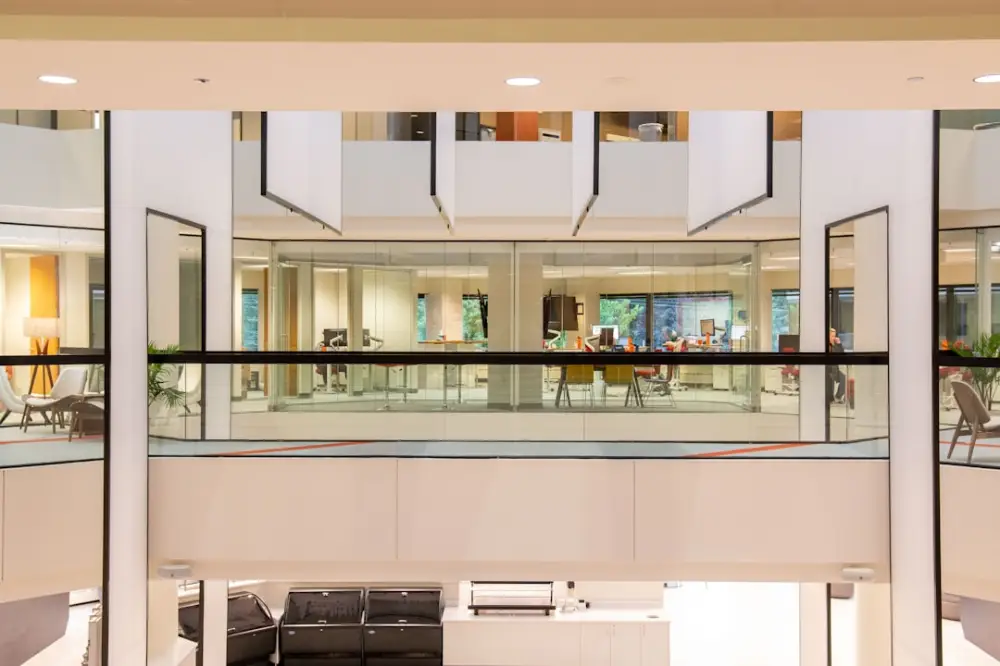
The Steady Rise of High Performance Smart Home Offices
Beyond the Desk: The Evolution of Purpose
Not long ago, the concept of a home office was often an afterthought—a dusty corner in a guest bedroom, a kitchen table cleared of crumbs, or a precarious arrangement of wires in a basement. It was a temporary solution for a permanent world. However, as we have moved deeper into the mid-2020s, a quiet revolution has taken place within our four walls. We are no longer just working from home; we are curating high-performance environments that serve as the command centers of our professional lives.
This shift represents more than just a change in furniture. It is a reflective evolution of how we perceive the boundary between our private selves and our public contributions. The rise of the high-performance smart home office is a testament to our desire for agency over our time, our energy, and our focus. It is an acknowledgment that the spaces we inhabit have a profound impact on the thoughts we produce.
The Pillars of a High-Performance Ecosystem
When we speak of 'high performance' in the context of a home office, we aren't just talking about the speed of a processor or the resolution of a monitor. We are talking about an ecosystem—a delicate balance of technology, ergonomics, and atmosphere that allows a human being to enter a state of 'flow.' In this state, time seems to dissolve, and the friction between intention and execution disappears.
The modern smart home office is designed to remove the micro-stressors that accumulate throughout the day. It is about creating a space that anticipates your needs before you even realize them. This intentionality is what separates a simple workspace from a high-performance sanctuary.
The Light That Guides Us
Perhaps the most subtle yet impactful element of the smart office is lighting. For years, we subjected ourselves to the harsh flicker of overhead fluorescents or the dim gloom of inadequate lamps. Reflecting on our biological needs, we now understand that light dictates our circadian rhythm, our mood, and our cognitive sharpness.
High-performance offices now utilize smart lighting systems that transition through the color spectrum as the day progresses. In the morning, cool, blue-toned light mimics the rising sun, signaling to our brains that it is time to wake up and focus. As the afternoon wanes, the light softens into warmer, amber hues, easing the transition from the intensity of labor to the softness of rest. This isn't just a gadget-driven luxury; it is a way of honoring the biological rhythms that define our humanity.
Ergonomics as a Form of Self-Respect
There is a deep, quiet wisdom in choosing a chair or a desk that supports the body. In the pursuit of high performance, we have realized that physical discomfort is the greatest enemy of mental clarity. A smart standing desk that reminds you to shift your posture, or a chair designed to support the natural curvature of the spine, is more than just furniture—it is an investment in your future self.
When our physical environment treats our bodies with respect, our minds are free to wander into the realms of creativity and problem-solving. We are no longer distracted by the ache in our lower back or the strain in our neck. Instead, we are supported, literally and figuratively, by the tools we have chosen to surround ourselves with.
Crafting Your High-Performance Sanctuary
Building a space that fosters this level of performance requires a blend of practical DIY skills and a thoughtful approach to technology. It is not about buying every smart device on the market; it is about selecting the ones that resonate with your specific workflow. Here are the core components often found in these evolved spaces:
- Intelligent Climate Control: Smart thermostats that maintain a precise temperature for cognitive function, ensuring the room is neither too stifling nor too cold.
- Acoustic Optimization: The use of smart noise-canceling technology and acoustic paneling to create a 'cone of silence' in an otherwise busy household.
- Automated Rituals: Smart plugs and routines that turn on the coffee maker, dim the lights, and start a specific focus playlist with a single voice command.
- Seamless Connectivity: Mesh Wi-Fi systems and hardwired ethernet ports that eliminate the anxiety of a dropped connection during a critical moment.
- Biophilic Elements: Integrating smart irrigation for indoor plants, bringing a touch of the natural world into the digital workspace to reduce stress.
The Silent Revolution of the Home Office
As we look toward the future of home improvement at Allen The Geek, we see that the smart home office is becoming the heart of the modern residence. It is the place where we manifest our ambitions and navigate the complexities of a global economy. But more importantly, it has become a place of reflection.
When we step into a high-performance office, we are stepping into a version of ourselves that is prepared, focused, and empowered. We have taken the raw materials of our homes—the spare rooms, the nooks, the garages—and transformed them into something sacred. This rise in sophisticated workspaces isn't just about productivity metrics or corporate efficiency. It is about the human desire to master our environment and, in doing so, to master ourselves.
The steady rise of these spaces suggests that we are finally learning how to integrate our digital lives with our domestic ones. We are finding a way to be both 'connected' and 'present.' By investing in the technology and design of our home offices, we are essentially saying that our work—and the peace of mind with which we perform it—is worth the effort. It is a quiet, steady rise toward a better way of living and working, one smart device and one intentional choice at a time.

Tech Blog — Its All About Technology
Tech Blog Its All About Technology
About Me
Most Recent
The Well App: Your Pocket Guide to Wellness
Unleash Your Creativity with the Linear App: A Must-Have Tool for Designers
Discover the Top Houston Methodist Apps for Optimal Healthcare
Weave App: Revolutionizing the Way You Organize Your Life
“Wake up and seize the day with the Lark app!”
Boost Your Productivity with the Weave Desktop App
Experience a New Level of Travel Convenience with the Breezeline App!
The Ultimate Guide to Mastering IoT App Development
Boost Your Construction Time Tracking with the ExakTime App
Boost your App’s Success with a Top-Notch App Marketing Agency
The Ultimate Guide to Mastering the Verizon One Talk App: Boost Your Business Communication Game
Unleash Your Inner Sports Fanatic with the STN Sports App!
The Ultimate Guide to Choosing the Best IoT App Development Company
Score Freebies and Savings with the Similac Rewards App!
Boost Your Sales with Salesforce In-App Guidance: The Secret Sauce for Success
Popular Post
The Well App: Your Pocket Guide to Wellness
Boost Your App’s Success with the Best Mobile App Marketing Company
The Ultimate Guide to Finding the Best App for Your HVAC Business
Data Analysis Technology: A Revolution in the Making
Data Science: The Magic Wand of the Tech World
Smart Home Tech: Making Homes Smarter with Technology
Streamlining Projects with Tech Project Management Tools
Quantum Computing: A Leap into the Future of Tech
Protect Your Company’s Future with High-Tech Security Solutions
Leveraging the Power of Machine Learning to Make the World Smarter
Big Data Tech: The Game Changer
Staying Ahead with Latest Tech Hardware Trends
The Future of Software Development Tech: A Comprehensive Outlook
Decoding Blockchain: The Future of Tech
Understanding Cybersecurity in Today’s Tech World
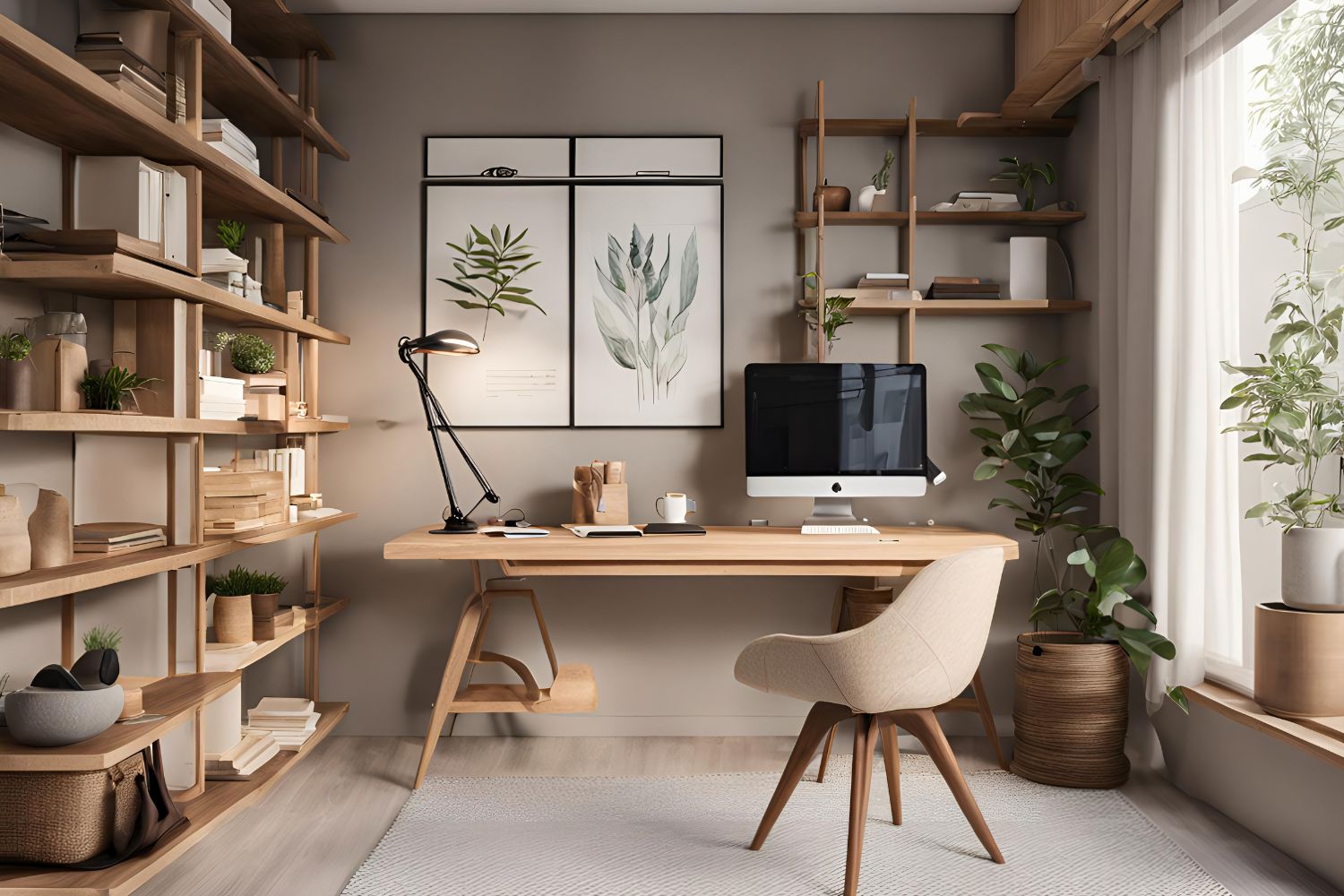
How to Maximize Small Spaces: Storage Hacks for Apartments and Tiny Homes
Living in a small apartment or tiny home doesn’t mean sacrificing style, comfort, or functionality. In fact, with the right mindset and clever hacks, limited square footage can become a catalyst for smarter, more intentional living.
At Allen The Geek, we believe small spaces deserve big ideas. Whether you’re a minimalist urban dweller, a van-lifer, or just trying to make your one-bedroom work harder, these storage solutions will help you reclaim space, reduce clutter, and love your home more.
The Small Space Mindset: Function First
Before diving into hacks, remember this golden rule:
Everything must earn its place.
Multifunctional furniture, vertical storage, and concealed compartments are your best friends. Think vertically. Think modular. Think mobile.
1. Under-Bed Storage Solutions
Why it works: It’s hidden, underused space with major potential.
✅ Use rolling bins, zippered fabric boxes, or flat plastic totes
✅ Store out-of-season clothing, shoes, or linens
✅ Try a bed frame with built-in drawers for extra capacity
Pro Tip: Vacuum-sealed bags help save even more space.

2. Floating Shelves & Wall-Mounted Storage
Why it works: Vertical space is limitless—even in 400 sq. ft.
✅ Install shelves above desks, beds, or door frames
✅ Use pegboards in kitchens or craft areas for modular hooks
✅ Mount wire baskets in the bathroom for towels or toiletries
3. Over-the-Door Organizers
Why it works: Doors are hidden gems for vertical storage.
✅ Store shoes, accessories, pantry items, or cleaning supplies
✅ Choose clear pockets for easy visibility
✅ Great for renters—no drilling required
Top pick: Heavy-duty canvas or clear plastic organizers with metal hooks.
4. Collapsible & Stackable Kitchen Tools
Why it works: The kitchen is often the most cluttered area in small homes.
✅ Use collapsible colanders, bowls, and measuring cups
✅ Stackable containers keep pantries neat and accessible
✅ Install magnetic knife strips to free up drawer space
5. Furniture That Doubles as Storage
Why it works: Every square foot must do double duty.
✅ Storage ottomans = hidden seating + clutter control
✅ Coffee tables with lift-top storage
✅ Beds with drawers, Murphy beds, or lofted platforms
Smart Tip: Look for modular, movable furniture designed for micro-living.
6. Maximize Closet Verticality
Why it works: Most closets have dead air at the top.
✅ Add hanging shelves or tiered hangers
✅ Install tension rods to create double hanging space
✅ Store rarely-used items in labeled bins up high
Bonus: Use matching hangers to instantly declutter visually.
7. Use Corners & Nooks Creatively
Why it works: Corners are often wasted zones.
✅ Corner shelves, desks, or ladder bookcases
✅ Corner shower caddies or multi-tier bathroom shelves
✅ L-shaped corner desks for work-from-home setups
8. Think Magnetic, Adhesive & Tension-Based
Why it works: You can gain storage without drilling holes.
✅ Magnetic spice racks, fridge bins, or utensil strips
✅ Command hooks for bags, robes, or keys
✅ Tension rods for under-sink storage or closet dividers
Ideal for renters or those in temporary housing.
9. Declutter Like a Pro: The “One In, One Out” Rule
Why it works: You can’t organize clutter—only eliminate it.
✅ Every time you bring something new in, donate or toss one item
✅ Do a 15-minute declutter once per week
✅ Use bins labeled “donate,” “relocate,” and “trash” to make it fast

10. Hidden & Behind-the-Scene Storage
Why it works: Out of sight = out of mind (in a good way).
✅ Skirted tables hide storage bins underneath
✅ Install toe-kick drawers under kitchen cabinets
✅ Hang curtain rods in closets to add hidden layers
Smart Design Tip: Use neutral colors to visually “declutter” a room.
Final Thoughts: Small Doesn’t Mean Less—It Means Smarter
Living in a small space isn’t a limitation—it’s an opportunity to optimize, streamline, and elevate your home. With these storage hacks, every inch serves a purpose and every corner becomes functional.
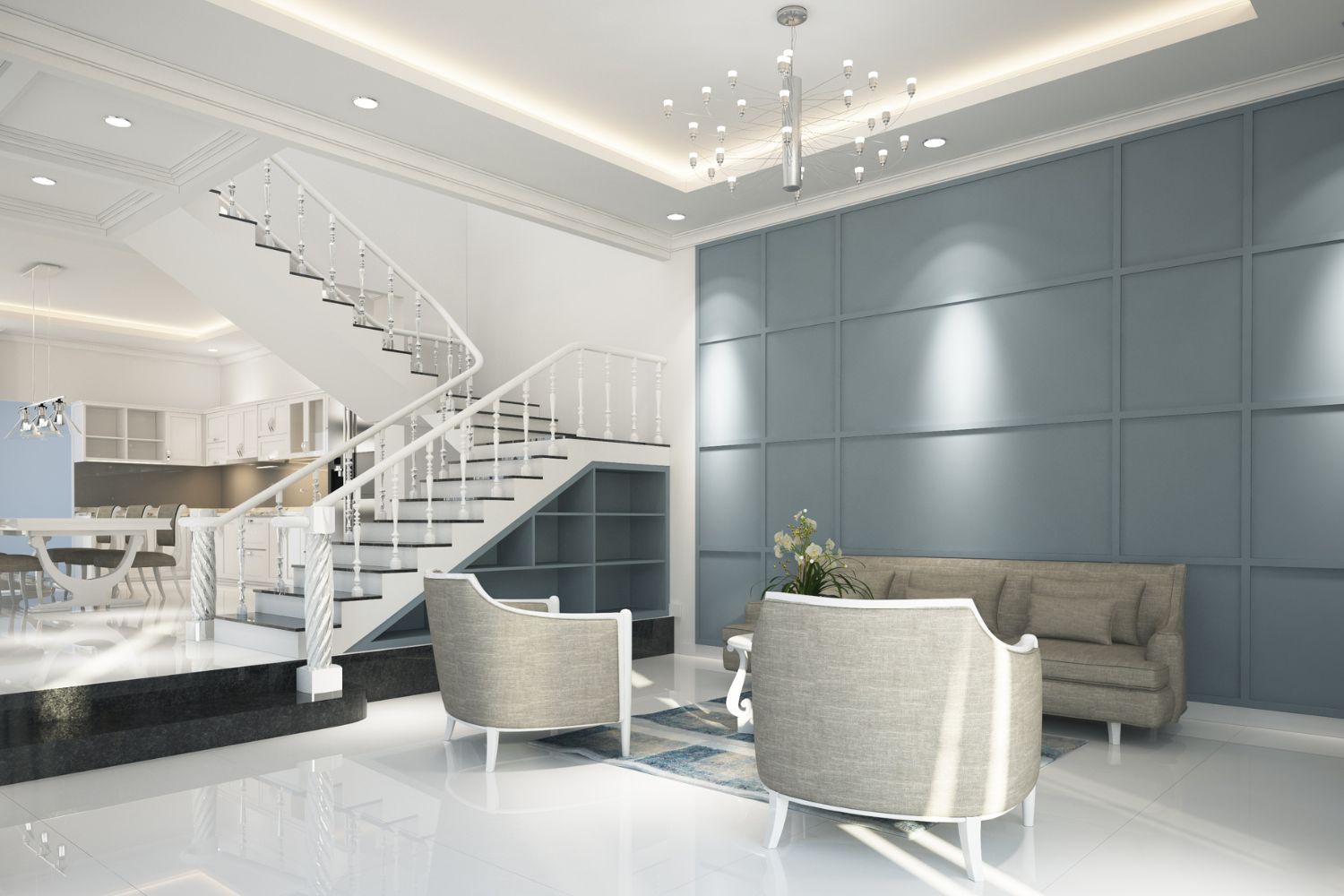
Smart Home Starter Guide: Top Devices to Upgrade Your Space in 2025
Smart home technology isn’t the future—it’s the present. In 2025, upgrading your home with connected devices is more accessible, affordable, and intuitive than ever. Whether you’re a first-time buyer or just looking to modernize your space, the right smart tech can improve your comfort, security, energy efficiency, and daily productivity.
At Allen The Geek, we’ve tested the gadgets, streamlined the setup, and filtered out the hype to bring you this no-fluff guide to the best smart home devices for 2025. Here’s what to buy, why it matters, and how to get started without getting overwhelmed.
Why Go Smart in 2025?
- Convenience: Automate daily tasks like lighting, climate control, and reminders.
- Security: Get real-time alerts and remote monitoring for peace of mind.
- Efficiency: Save energy (and money) with intelligent climate and power management.
- Integration: Control everything from one app—or better yet, with your voice.
Whether you live in a studio apartment or a two-story home, smart devices can scale to your needs.
1. Smart Plugs & Power Strips
Why it matters: Smart plugs are the easiest entry point into home automation.
✅ Control appliances from your phone
✅ Schedule lights, fans, or coffee makers
✅ Monitor energy usage
Top Pick: TP-Link Kasa Smart Plug Mini – Compact, reliable, and compatible with Alexa, Google Assistant, and SmartThings.

2. Smart Speakers & Hubs
Why it matters: These are the command centers for your smart home.
✅ Hands-free control
✅ Voice-activated routines
✅ Seamless ecosystem integration
Top Picks:
- Amazon Echo (5th Gen) – Best for Alexa ecosystems
- Google Nest Hub Max – Great for visual interface and Google integration
- Apple HomePod mini – Ideal for iOS users in the Apple ecosystem
Pro Tip: Choose a hub that aligns with your current devices or phone OS.
3. Smart Lighting
Why it matters: Mood, security, and utility—all enhanced through smart control.
✅ Dim, color-shift, or schedule lights
✅ Create “Away” or “Movie Night” scenes
✅ Sync with sunrise/sunset or motion
Top Pick: Philips Hue Starter Kit – Highly customizable and scalable with Bluetooth or Zigbee bridge.
4. Smart Door Locks
Why it matters: Keyless entry means convenience and better access control.
✅ Unlock with your phone or PIN
✅ Grant access to guests remotely
✅ Get alerts when doors open or close
Top Pick: August Wi-Fi Smart Lock (4th Gen) – Easy to install and integrates with most deadbolts.
Security Note: Always enable two-factor authentication for remote access.
5. Smart Security Cameras
Why it matters: Know what’s happening around your home, from anywhere.
✅ Live stream, record, and get motion alerts
✅ 2-way audio for package delivery or visitors
✅ Night vision and AI-based detection
Top Picks:
- Arlo Pro 5S – Best all-around outdoor cam
- Wyze Cam v4 – Budget-friendly and feature-rich
- Ring Doorbell Pro 2 – Ideal for front door coverage
6. Smart Thermostats
Why it matters: Automatically optimize your home’s temperature and reduce utility bills.
✅ Learn your routines and adjust accordingly
✅ Control from your phone or voice
✅ Save on heating/cooling costs
Top Pick: Google Nest Learning Thermostat – Stylish, self-programming, and proven to cut energy bills.

7. Smart Sensors & Automations
Why it matters: Add intelligence and responsiveness to your routines.
✅ Motion sensors for lights and alerts
✅ Door/window contact sensors for security
✅ Water leak detectors for peace of mind
Use Case Example: Turn on hallway lights when motion is detected after 10 PM.
How to Start Your Smart Home Setup
- Pick a voice ecosystem (Alexa, Google Assistant, or Siri)
- Start small with plugs, lights, or a speaker
- Use routines to combine multiple actions (e.g., “Good Morning” turns on lights, reads news, starts coffee)
- Expand gradually based on your lifestyle: security, climate, entertainment, etc.
Final Thoughts: Smart, Simple, Scalable
You don’t need to spend thousands or wire your whole house to enjoy smart home benefits in 2025. With just a few devices and a clear plan, you can make your home more intelligent, more secure, and more comfortable.

10 Budget Friendly DIY Home Improvement Projects You Can Do This Weekend
You don’t need a big budget or a professional crew to make your home look and feel amazing. With just a free weekend, a little creativity, and a can-do attitude, you can tackle high-impact improvements that instantly upgrade your living space.
At Allen The Geek, we help everyday homeowners like you turn ideas into action—without breaking the bank. Whether you’re prepping to sell, personalizing a new space, or just itching for a fresh look, here are 10 easy and affordable DIY home improvement projects you can start (and finish) this weekend.
1. Paint an Accent Wall
Cost: Under $50
Time: 2–4 hours
A bold, modern accent wall can completely transform a room. Use leftover paint or grab a quart of trending colours like navy, sage green, or burnt orange. Want more style? Try geometric tape designs or stencil patterns.
Pro Tip: Use painter’s tape to get crisp lines and avoid splatter.
2. Install Peel-and-Stick Backsplash
Cost: $30–$100
Time: 3–5 hours
Update your kitchen or bathroom with peel-and-stick backsplash tiles. No grout, no mess—just measure, cut, and stick. Choose from subway tile, faux marble, or metallic finishes for a modern look.

3. Upgrade Cabinet Hardware
Cost: $20–$60
Time: 1–2 hours
New knobs and pulls can make even old cabinets look designer. Look for matte black, brushed brass, or leather pulls to match today’s interior design trends.
Pro Tip: Measure hole spacing before you buy replacements.
4. Add Floating Shelves
Cost: $40–$80
Time: 2–3 hours
Floating shelves are a functional and aesthetic win. Install them in the kitchen, living room, or bathroom for extra storage and instant style. Use reclaimed wood for a rustic touch or sleek white for a modern vibe.
5. Create a DIY Entryway Organizer
Cost: $30–$70
Time: 3–4 hours
Turn your front entry into an organized drop zone with a wall-mounted shelf, key hooks, and a small bench or crate. It's a simple way to keep shoes, bags, and mail tidy—and make a great first impression.
6. Replace Light Switch Plates & Outlet Covers
Cost: $15–$40
Time: 1 hour
Outdated or discolored plates make a space look tired. Swapping them out with sleek modern covers in black, brushed steel, or decorative wood can give rooms a subtle but crisp upgrade.
Bonus: Try dimmer switches for added ambiance.
7. Build a Vertical Herb Garden
Cost: $25–$60
Time: 2–3 hours
Bring greenery indoors with a vertical herb planter made from pallets, pots, or hanging racks. Grow basil, mint, rosemary, or whatever you cook with most—right in your kitchen or balcony.
8. Paint Interior Doors
Cost: $30–$60
Time: 3–5 hours
Tired of boring white doors? A fresh coat of black, charcoal, or even forest green can add contrast and elegance. Just sand lightly, prime if needed, and roll on your colour of choice.
Style Tip: Match the door color to your accent wall for cohesion.

9. Update Your Bathroom Mirror
Cost: $20–$80
Time: 2–3 hours
Give your plain bathroom mirror a framed facelift with wood trim, peel-and-stick edging, or even rope for a coastal look. It’s a small touch with a major design payoff.
10. Install Motion-Sensor Lights
Cost: $25–$50
Time: 1–2 hours
Whether it's for your hallway, closet, or porch, motion-sensor LED lighting adds both convenience and energy efficiency. No wiring needed—many battery-powered options mount in minutes.
Final Thoughts: Big Impact, Low Budget
Home improvement doesn’t have to be expensive or overwhelming. These budget-friendly DIY projects are ideal for renters, new homeowners, or anyone looking to make fast upgrades without hiring a pro.
At Allen The Geek, we believe smart living starts with smart, hands-on solutions. So grab your tools, queue up a weekend playlist, and let’s get to work.