
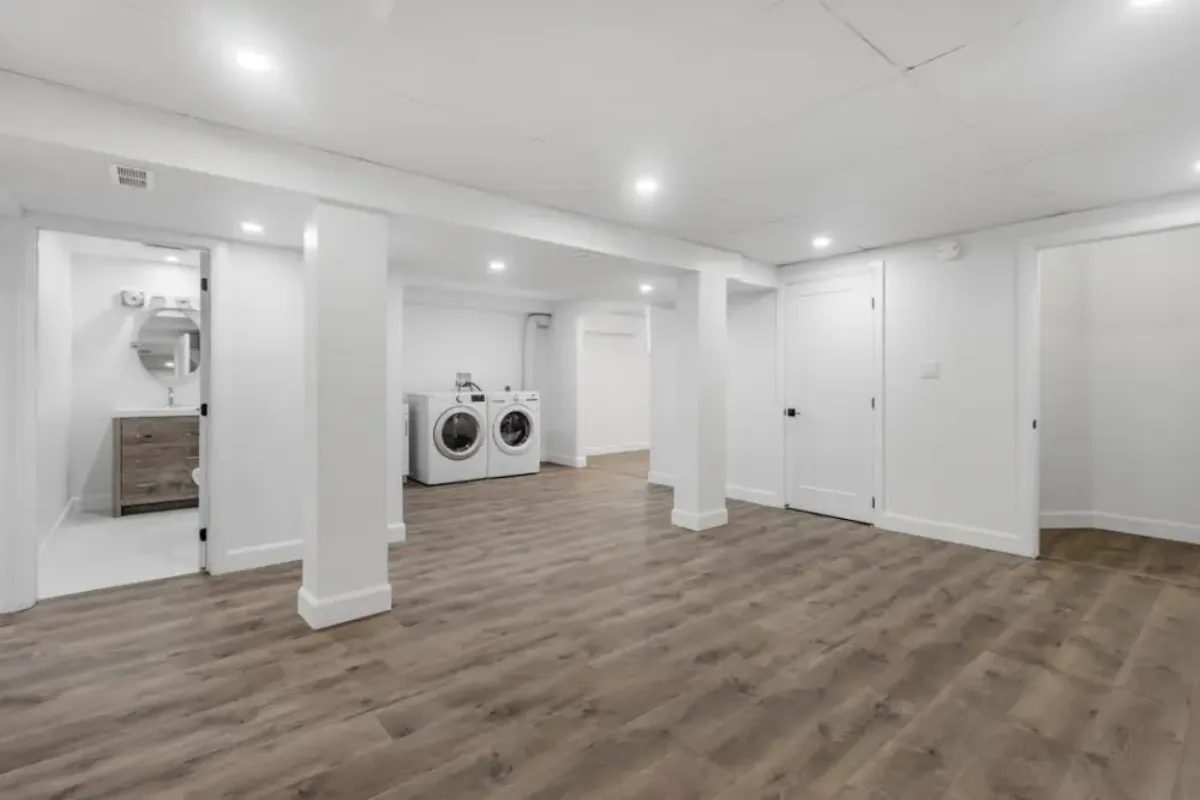
Beyond Storage: The Shift in Basement Utility
For decades, the basement was the part of the house we tried to ignore. It was a utilitarian space reserved for the furnace, the water heater, and stacks of cardboard boxes containing holiday decorations and old high school yearbooks. It was often damp, dimly lit, and slightly uninviting. However, in recent years, we have seen a massive shift in how homeowners view this subterranean square footage. We are finally rethinking what a basement can actually be.
This shift isn't just about aesthetics; it is about necessity. As the cost of real estate rises and our homes become multi-functional hubs for work, fitness, and entertainment, every square inch counts. Transforming a basement is no longer just a luxury renovation—it is a practical strategy to increase living space without the massive cost of a structural addition.
Solving the Basement Stigma: Moisture and Air Quality
The biggest hurdle to rethinking the basement is the "dungeon" factor. If a space feels cold, damp, or smells like mildew, no amount of fancy furniture will make it a place where you want to spend time. To reclaim the basement, you have to start with the fundamentals of environmental control.
Modern moisture management has come a long way. Instead of just slapping a coat of waterproof paint on the walls, smart DIYers are looking at the exterior drainage first. Ensure your gutters are clear and your downspouts are carrying water at least six feet away from the foundation. Internally, a high-capacity dehumidifier is a non-negotiable requirement for a modern basement. By keeping the humidity below 50%, you prevent that classic basement smell and protect your electronics and furniture from mold growth.
Mastering Basement Insulation
Standard fiberglass batts aren't always the best choice for basement walls because they can trap moisture. Instead, consider rigid foam board insulation or spray foam. These materials provide a continuous thermal break and act as a vapor barrier, keeping the space warm in the winter and dry in the summer. When the temperature is consistent, the space feels like a natural extension of the upper floors rather than a separate, lower-quality zone.
Lighting the Way: Defeating the Dark
Lighting is perhaps the most critical element in rethinking a basement. Because natural light is limited, you have to compensate with a layered lighting strategy. A single overhead light in the center of the room will create shadows and make the ceiling feel lower. To make the space feel inviting, you need to use three types of light:
- Ambient Lighting: Use recessed LED "wafer" lights. They sit flush with the ceiling, which is vital in basements with low clearance, and provide even coverage.
- Task Lighting: If you are building a basement office or workshop, use dedicated lamps or under-cabinet lighting to focus on work surfaces.
- Accent Lighting: Use LED strips or wall sconces to highlight architectural features or artwork, adding depth to the room.
A practical tip for basement lighting: Choose bulbs with a color temperature between 3000K and 4000K. This mimics natural daylight without feeling too clinical or too yellow, helping to offset the lack of windows.
Creating Purpose-Driven Zones
When we rethink the basement, we move away from the "one big room" concept. Instead, we should think about "zoning." Even in an open-concept basement, you can define areas through furniture placement, rugs, and lighting. This allows the basement to serve multiple functions simultaneously.
For example, a modern basement might include a dedicated home office in one corner, a media nook in another, and a small fitness area. By using low-profile furniture and keeping sightlines open, you maintain a sense of space while providing the privacy needed for different activities. If you are planning a home office, remember that soundproofing is key—especially if the kids are playing overhead. Using acoustic panels or specialized drywall can make a world of difference in your professional focus.
The Technical Backbone: Power and Connectivity
As I’ve discussed before regarding older homes, modern tech requires a lot of power. When you are rethinking your basement, don't skimp on the electrical and data infrastructure. A basement is the perfect place for a high-performance smart home office or a dedicated media room, but these require stable power and high-speed internet.
- Circuit Capacity: Ensure your basement has its own dedicated circuits. Running a space heater, a gaming PC, and a treadmill on the same circuit is a recipe for a tripped breaker.
- Wi-Fi Dead Zones: Basements are notorious for poor signal because of the concrete walls and floor joists. Plan for a mesh Wi-Fi node or, better yet, run CAT6 ethernet cables to your desk and entertainment center while the walls are open.
- Smart Integration: Install smart switches and dimmers. Being able to control your basement lighting via voice or an app makes the space feel modern and integrated with the rest of your home.
Conclusion: The Value of the Lower Level
Rethinking the basement is about more than just adding a room; it’s about changing your lifestyle. By addressing moisture, lighting, and technical needs with a practical mindset, you can transform the most neglected part of your home into the most utilized. Whether you need a quiet place to work, a zone for the kids to be loud, or a high-tech media center, the basement offers a blank canvas for your home improvement goals. It’s time to stop thinking of it as a storage locker and start seeing it as the heart of your home’s next chapter.